There is a significant difference between reading words on a page… and stepping inside a story.
Some books feel flat. They list facts, define terms, and move briskly from one heading to the next. You read them because you must.
But other books feel alive.
They pull you in.
They awaken curiosity.
They make you care.
These are what Charlotte Mason called living books.
And once you discover them, it becomes very difficult to go back to anything else.
What Is a Living Book?
A living book is a well-written book that presents ideas in an engaging and meaningful way.
It draws the reader in and invites them to think.
Rather than listing dry facts, a living book weaves information into story, personality, and ideas. The reader is not simply memorizing information — they are forming a relationship with the subject.
Charlotte Mason believed deeply in the power of such books. She wrote:
“One more thing is of vital importance; children must have books, living books. The best is not too good for them; anything less than the best is not good enough.”
Living books are still full of real facts and real knowledge. In fact, many are written by authors who have deep expertise in their subject.
But instead of sounding like a textbook or encyclopedia, the author speaks with a voice.
You can hear their personality.
You sense their passion for the subject.
And they leave you with ideas to chew on long after the book is closed.
What Living Books Are Not
A living book is not a textbook.
It is not a list of facts without a heartbeat.
Charlotte Mason had a word for books that were dull, watered-down, or written in a patronizing tone for children.
She called them twaddle.
Twaddle often looks like:
- Books that oversimplify ideas
- Texts that talk down to children
- Bland summaries of information with no personality
- Pages filled with disconnected facts
These books may contain information, but they rarely inspire curiosity or deep thought.
Living books do the opposite.
They invite the mind to awaken.
What Makes a Book “Living”?
When you begin exploring living books, certain qualities appear again and again.
A living book will often:
- Be beautifully written
- Present ideas in an interesting and memorable way
- Draw the reader in and hold their attention
- Make you want to keep reading
- Allow you to hear the author’s voice and personality
- Present facts naturally within a story
- Be written by someone passionate and knowledgeable about the subject
Living books often make you feel as though you are experiencing something firsthand.
You might learn about a historical time period as if you are walking its streets.
You might explore a landscape as if the wind were blowing through the grasses beside you.
These books inspire imagination and make the reader care deeply about the subject.
Stories That Teach More Than Facts
Another beautiful quality of living books is that they often tell a story.
Through the lives of characters — real or fictional — children begin to see:
- victories
- mistakes
- courage
- kindness
- perseverance
In this way, living books often help shape moral imagination and character.
The reader begins to care about the people they meet in the pages. And through those stories, they learn not only about the world, but about life itself.
Often, a living book will even stir emotion in the reader.
Joy. Wonder. Curiosity. Compassion.
And that emotional connection is what makes the ideas stick for years.
An Example of a Living Book
One of the hallmarks of a living book is writing that lingers in the mind long after it is read.
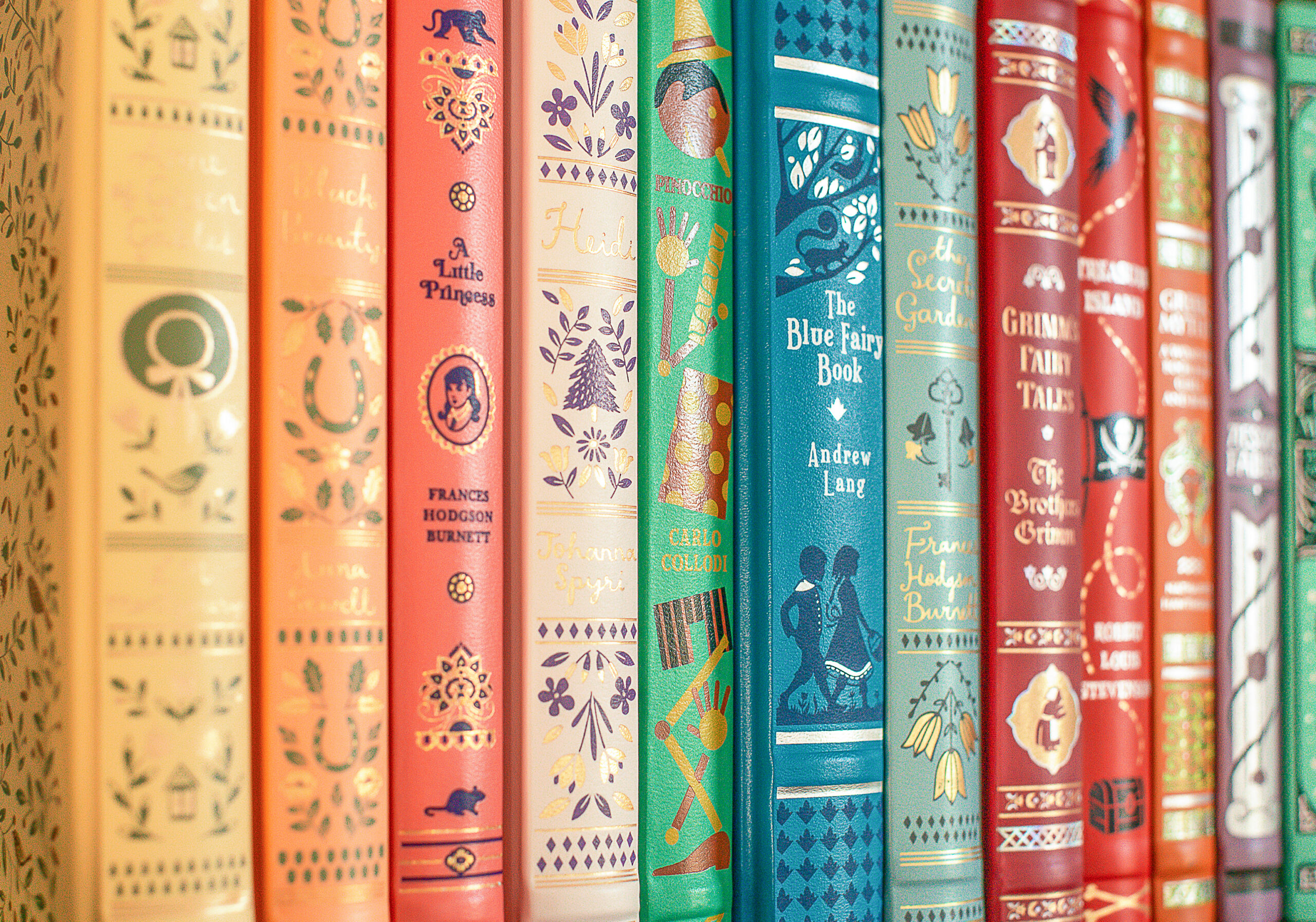
Consider this passage from The Secret Garden by Frances Hodgson Burnett:
“One of the new things people began to find out in the last century was that thoughts—just mere thoughts—are as powerful as electric batteries—as good for one as sunlight is, or as bad for one as poison. To let a sad thought or a bad one get into your mind is as dangerous as letting a scarlet fever germ get into your body. If you let it stay there after it has got in you may never get over it as long as you live… surprising things can happen to any one who, when a disagreeable or discouraged thought comes into his mind, just has the sense to remember in time and push it out by putting in an agreeable determinedly courageous one. Two things cannot be in one place.
“Where you tend a rose, my lad,
A thistle cannot grow.”
This passage does more than entertain.
It plants an idea.
And that is the power of a living book.
How to Start Choosing Living Books
When you are first beginning with living books, the good news is that you do not have to reinvent the wheel.
Many Charlotte Mason homeschool families have spent years discovering wonderful books and sharing their recommendations.
A great place to start is simply by:
- Looking at recommended book lists from other Charlotte Mason homeschool moms
- Asking for living book suggestions in homeschool communities
- Exploring classic literature and narrative history books
As you begin reading, ask yourself a few simple questions:
- Does this book hold my attention?
- Can I hear the author’s voice?
- Does it make me curious to keep reading?
- Does it make me care about the subject?
If the answer is yes, you have likely found a living book.
Why Living Books Matter
Living books do more than convey information.
They ignite interest.
They introduce children to ideas that shape the way they see the world.
Sometimes a single living book can spark a lifelong fascination with:
- birds
- explorers
- ancient history
- botany
- great thinkers
- distant lands
And perhaps most importantly, they help children experience the quiet joy of learning simply for the love of it.
Blog
This section provides an overview of the blog, showcasing a variety of articles, insights, and resources to inform and inspire readers.
-
Fun Ways to Kick Off Your Homeschool Year
There is something special about the beginning of a new homeschool year. Fresh notebooks. New pencils. Exciting plans. A brand-new stack of books waiting to be explored. It can be tempting to…
-
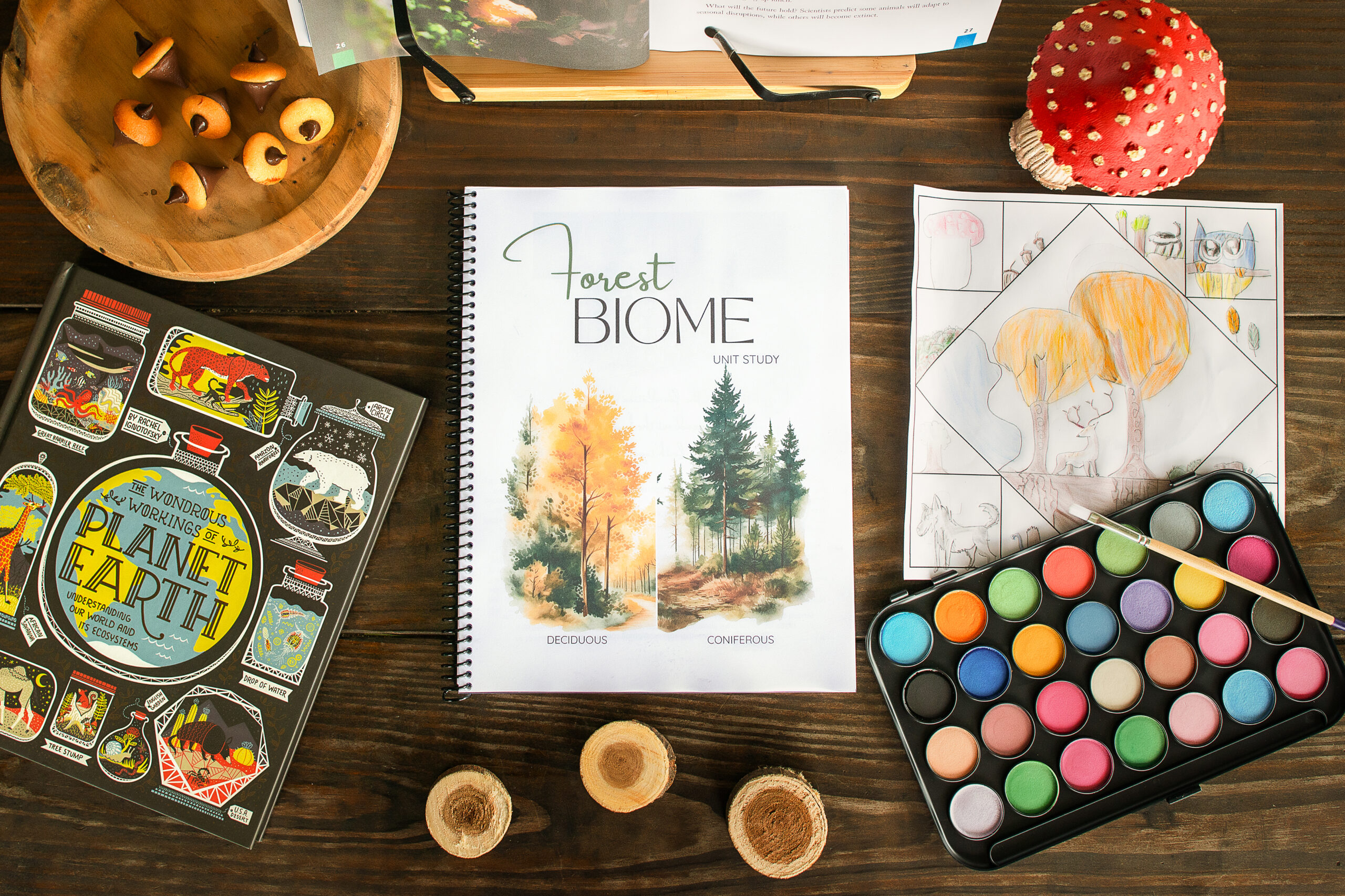
Exploring the Forest Biome
A Family-Style Science Study Forests are some of the most diverse and fascinating ecosystems on Earth. From towering conifer forests to colorful deciduous woodlands, these habitats are filled with incredible plants, animals,…
-
A Summer of Connection
Making Memories that Last As summer approaches, it is easy to feel pressure to make it magical.Social media is filled with elaborate vacations, expensive attractions, and endless lists of activities. Before long,…

Leave a Reply