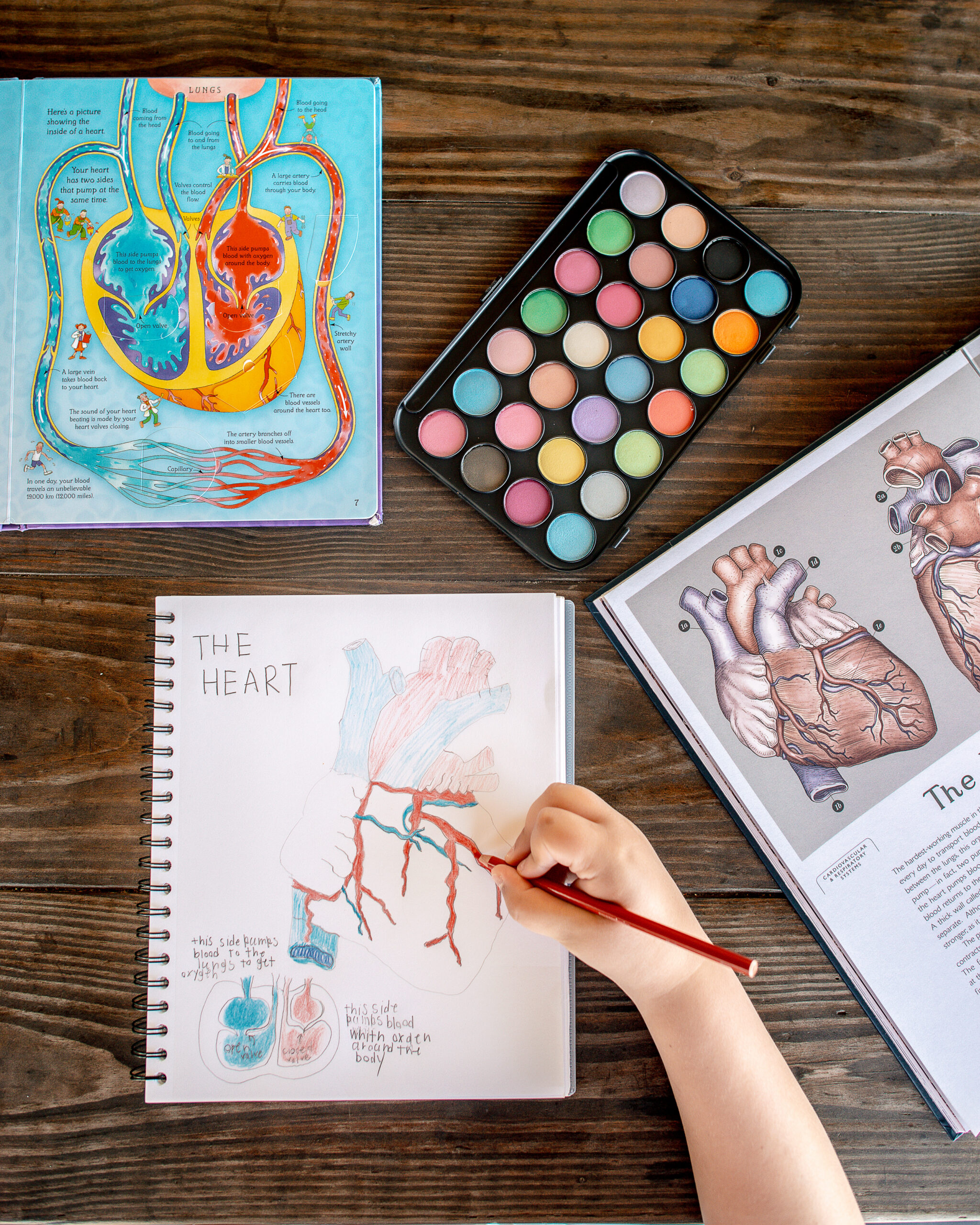
There is something deeply humbling about studying the human body. It is not merely a collection of parts and processes, but a living, breathing masterpiece—intricate, purposeful, and full of quiet wonder. As our children begin to understand how their bodies move, heal, grow, and respond, they are not just learning science…they are glimpsing the careful design of their Creator. Each system, each cell, each heartbeat speaks of intention and beauty, inviting us to slow down and take notice.
Yet as we searched for a way to teach the human body in our homes, we found ourselves coming up short. So many resources felt disconnected—either overly clinical or lacking depth and meaning. We longed for something rooted in living books, rich with story and understanding, while also offering simple, meaningful hands-on experiences that would help these concepts truly take hold. We wanted something that didn’t just inform, but that stirred curiosity, encouraged connection, and helped our children feel the wonder of how their bodies work.
We also believe that learning about the human body is not simply an academic pursuit—it is a life skill. When children understand how their bodies function, they are better equipped to care for themselves, to recognize what is happening when they feel tired, sore, or unwell, and to grow into adults who are aware and attentive to their health. This knowledge becomes part of how they live, not just something they memorize.
And just as important to us is how we learn together. In our home, family-style learning has become a lifeline—bringing us together around shared ideas instead of pulling us apart into separate tracks. It allows siblings of different ages to learn side by side, fostering discussion, connection, and a shared language of wonder. For mothers, it eases the burden of feeling stretched thin, replacing it with a rhythm that is both manageable and meaningful.
How the Unit Is Organized
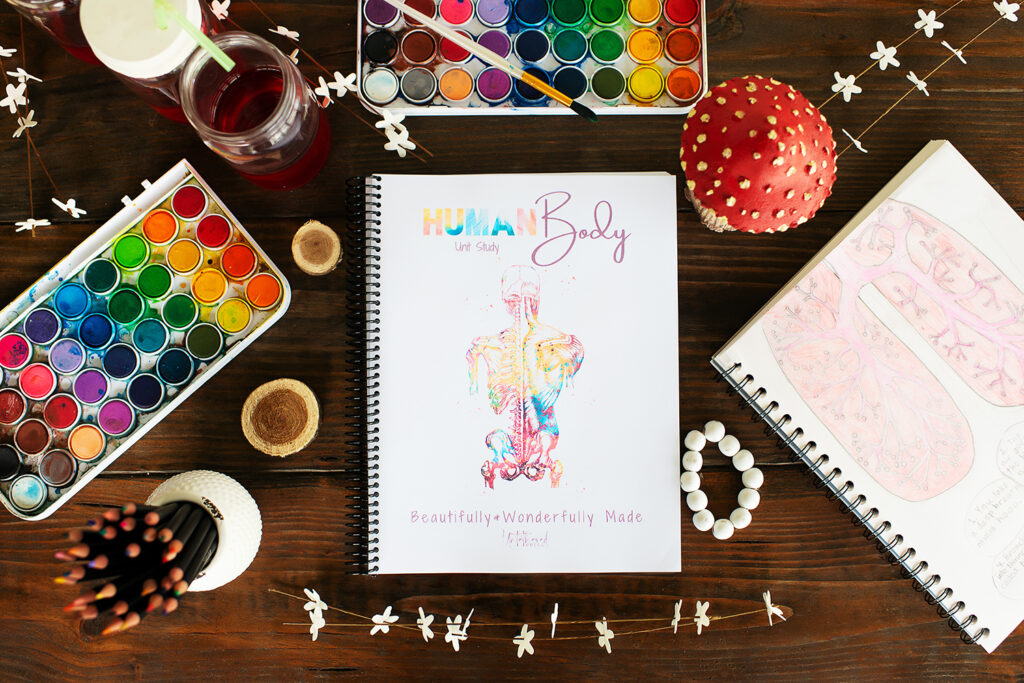
This unit is thoughtfully divided into sections that allow children to explore the body in a natural and connected way.:
- Skin & Cells
- Skeleton & Muscles
- The Brain
- Heart & Lungs
- Digestive & Urinary Systems
- The Five Senses
- Exercise & Genetics
Each section unfolds over several lessons, giving children time to absorb, reflect, and build understanding gradually.
At the end of every section, you will find a page of Bonus Lessons—a collection of additional books, videos, hands-on activities, and even family movie night ideas. These are designed for those moments when curiosity sparks and your child wants to linger a little longer. They offer a gentle way to deepen learning while keeping it joyful and family-centered.
How the Lessons Are Laid Out
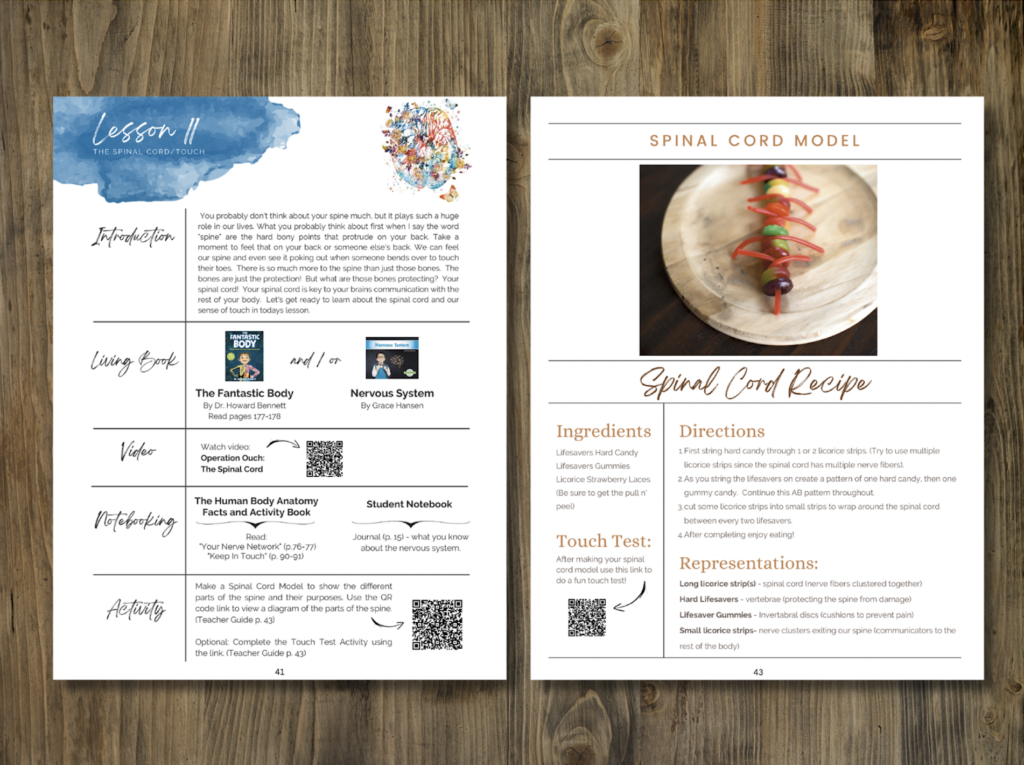
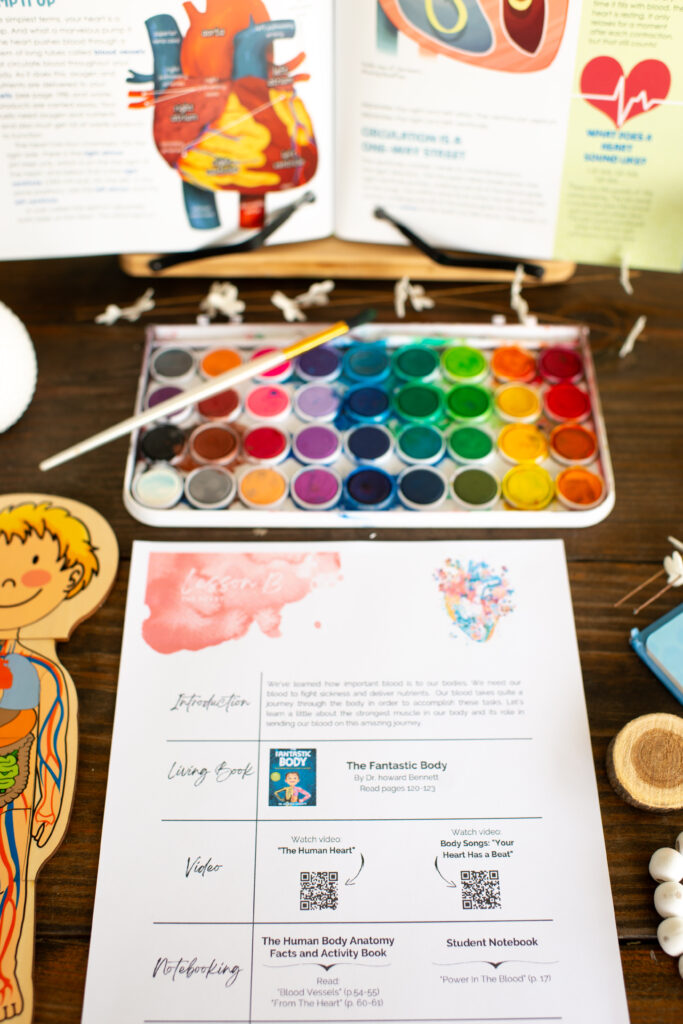
Each lesson is made up of multiple, meaningful components:
- Living book readings
- Devotions
- Videos
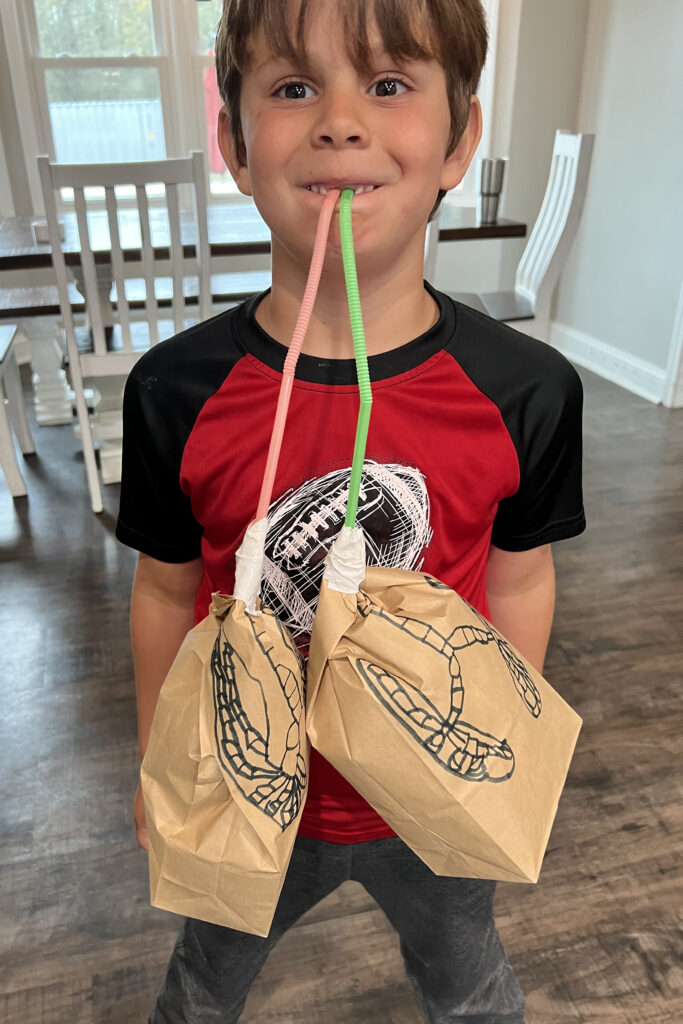
- Hands-on activities
- Notebooking pages
We do recommend beginning each lesson with the introduction to gently guide your child into the topic. From there, you are free to move through the lesson in whatever order best fits your family.
Some families may choose to complete a lesson in a single day, while others may spread it over several days—and both approaches are exactly right. This curriculum is meant to serve your family, not the other way around.
You’ll also find supply lists included before each section, making it easy to prepare ahead without scrambling.
Each component plays an intentional role in reaching different learners:
- Notebooking invites creativity and reflection
- Videos support visual learners
- Hands-on activities engage kinesthetic learners
- Reading builds understanding and connection
You will also find a devotional woven gently throughout the lessons. For families who desire a faith-based perspective, this offers a meaningful way to reflect on the beauty and design of the human body. However, if this is not something your family is looking for, the devotional portion can easily be set aside. The lessons are designed to remain complete and meaningful either way.
Throughout the unit, you will find experiments, simple recipes, and meaningful projects that help bring learning to life in a tangible way.
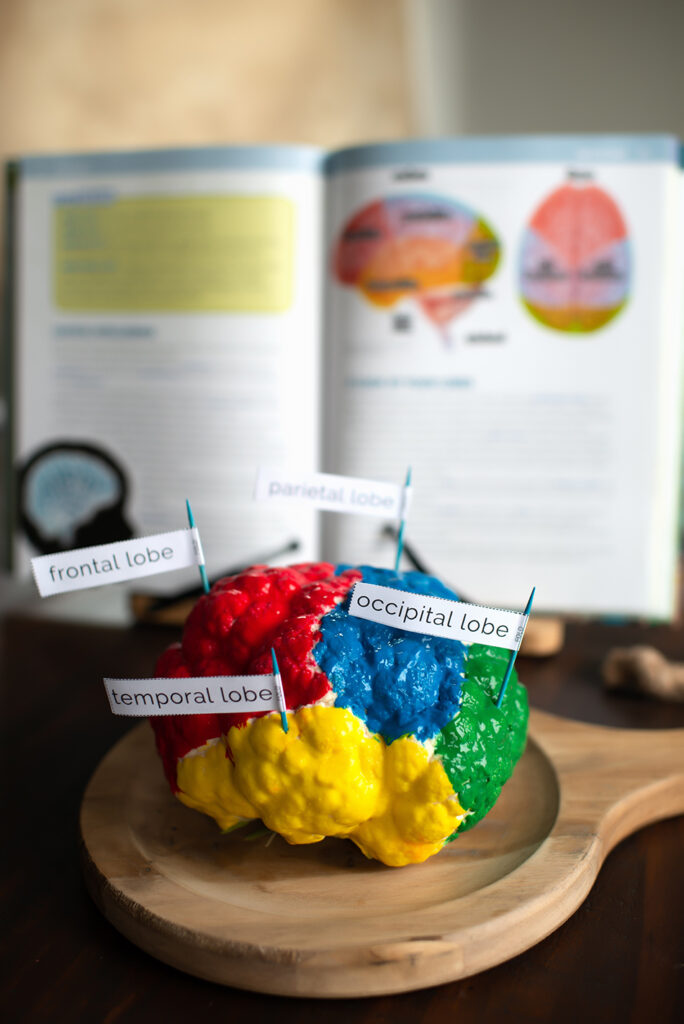
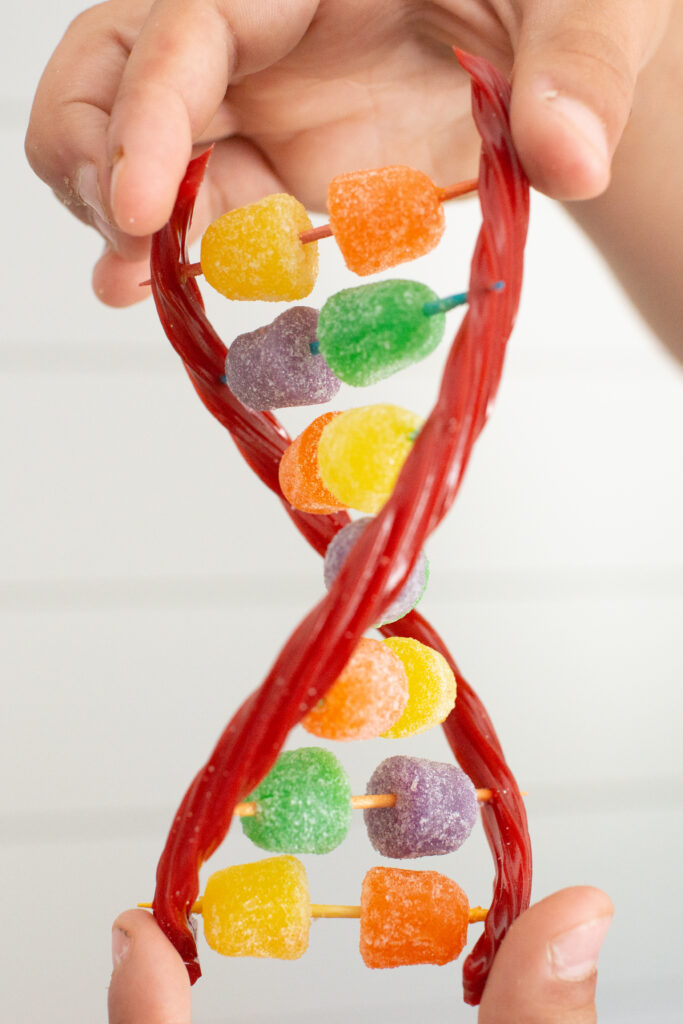
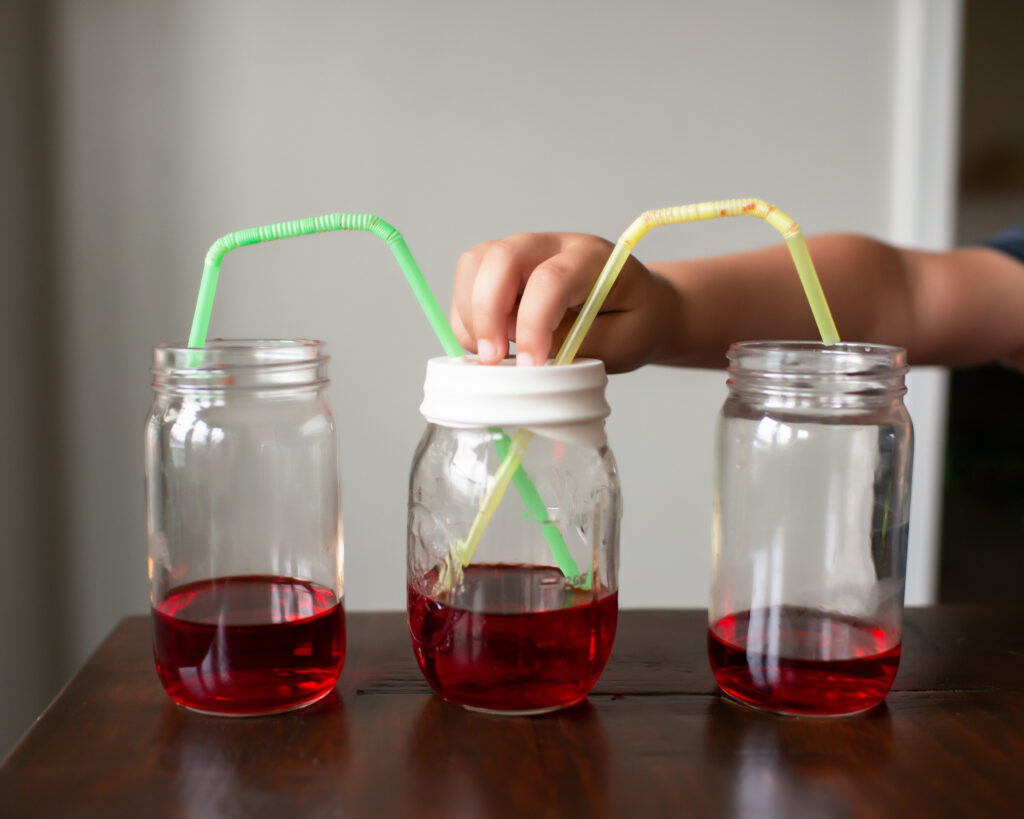
What Is the Student Notebook?
Included with this unit is a separate Student Notebook, designed to accompany the lessons. You will print one notebook per student.
The notebook is meant to be used after readings and videos are completed, allowing children to process and express what they’ve learned.
For younger students, you may:
- Allow them to dictate their answers
- Let them respond verbally
- Or simplify as needed
This unit is designed to be flexible and adaptable to your family.
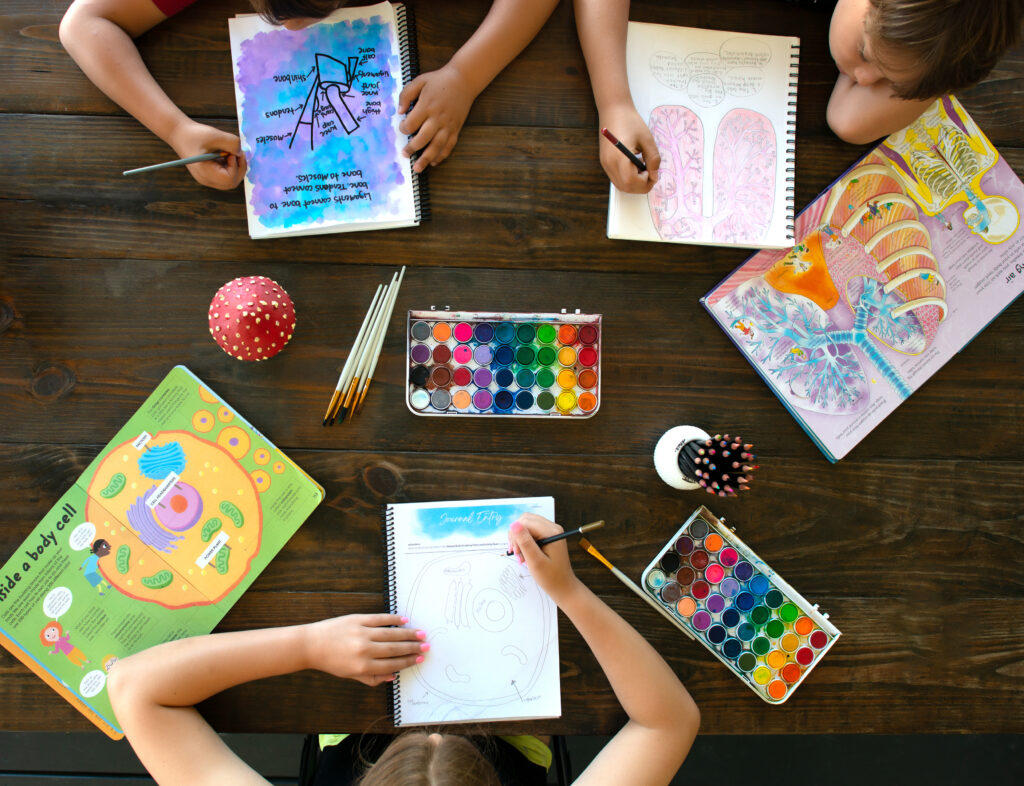
Some pages will be labeled as Journal Pages. These are intentionally open-ended. While they may feel easy to skip, we encourage you to embrace them.
These pages provide space for your child to:
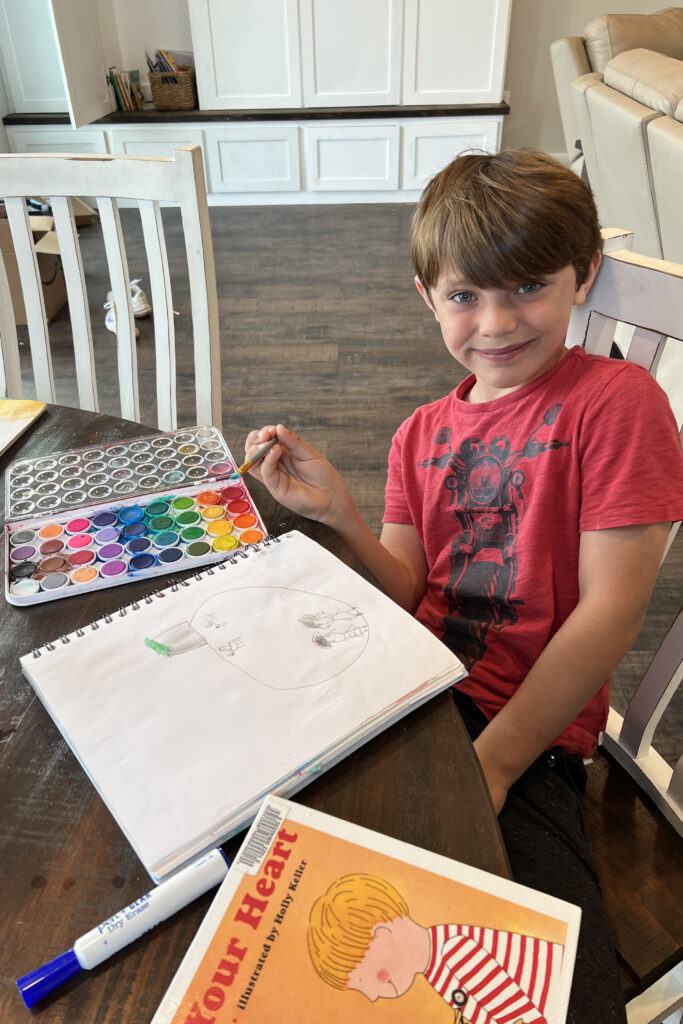
- Draw
- Write
- Reflect
- Express what stood out most to them
There is no right or wrong way to complete a journal page. It becomes a personal record of their learning—a place where creativity meets understanding and where ideas begin to take root.
How We Use Living Books & Spine Books
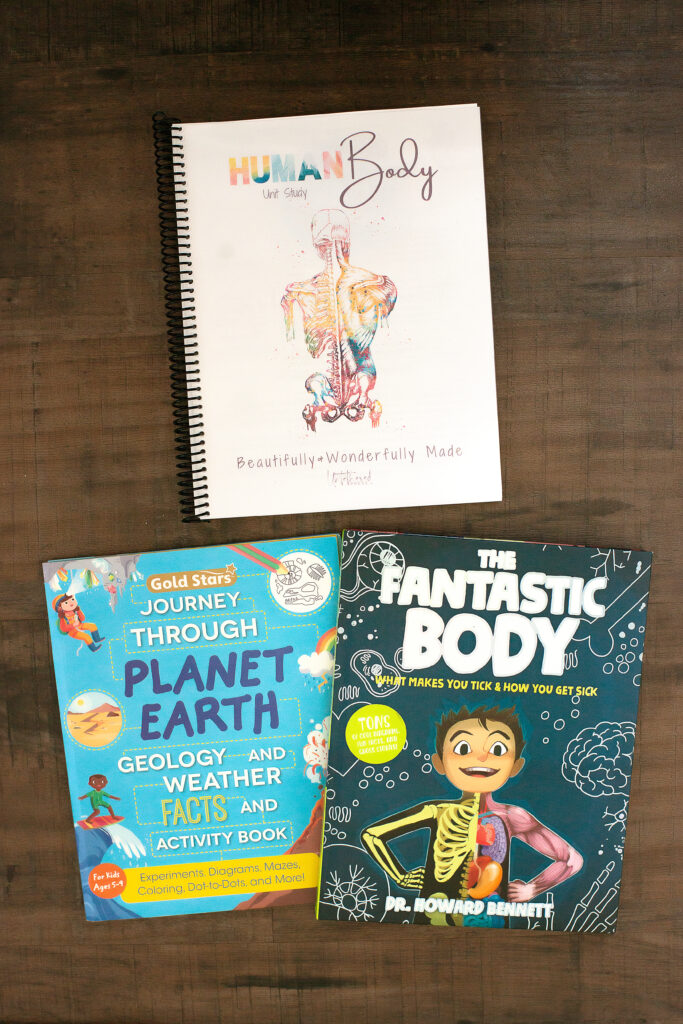
At the heart of this unit are three spine books that are woven throughout the entire study:
- The Fantastic Body by Dr. Howard Bennett
- The Human Body Anatomy by Gold Stars
- Indescribable by Louie Giglio
These books form the foundation of the unit and are best purchased before beginning.
While much of the unit can be taught through these spine books alone, we have also included a rich list of living books to enhance the experience. These can easily be borrowed from the library, shared with friends, or even found as read-alouds online.
Living books are not textbooks. They are written in a way that brings learning to life—through engaging language, meaningful ideas, and beautiful illustrations. They invite children into the subject, allowing them to connect rather than simply memorize.
How to Get Started
Getting started is simple:
- Print your Teacher Guide (one copy)
- Print your Student Notebook (one per student)
- Gather your spine books
- Check the supply list before each section
From there, you are ready to begin.
If you’re curious to see how this all comes together, we would love to invite you to download a free sample from our Human Body Unit.
Step inside, explore some lessons, and see how learning can become something living—something shared, something meaningful, and something your whole family can enjoy together.
Blog
This section provides an overview of the blog, showcasing a variety of articles, insights, and resources to inform and inspire readers.
-
Fun Ways to Kick Off Your Homeschool Year
There is something special about the beginning of a new homeschool year. Fresh notebooks. New pencils. Exciting plans. A brand-new stack of books waiting to be explored. It can be tempting to…
-
Exploring the Forest Biome
A Family-Style Science Study Forests are some of the most diverse and fascinating ecosystems on Earth. From towering conifer forests to colorful deciduous woodlands, these habitats are filled with incredible plants, animals,…
-
A Summer of Connection
Making Memories that Last As summer approaches, it is easy to feel pressure to make it magical.Social media is filled with elaborate vacations, expensive attractions, and endless lists of activities. Before long,…

Leave a Reply