
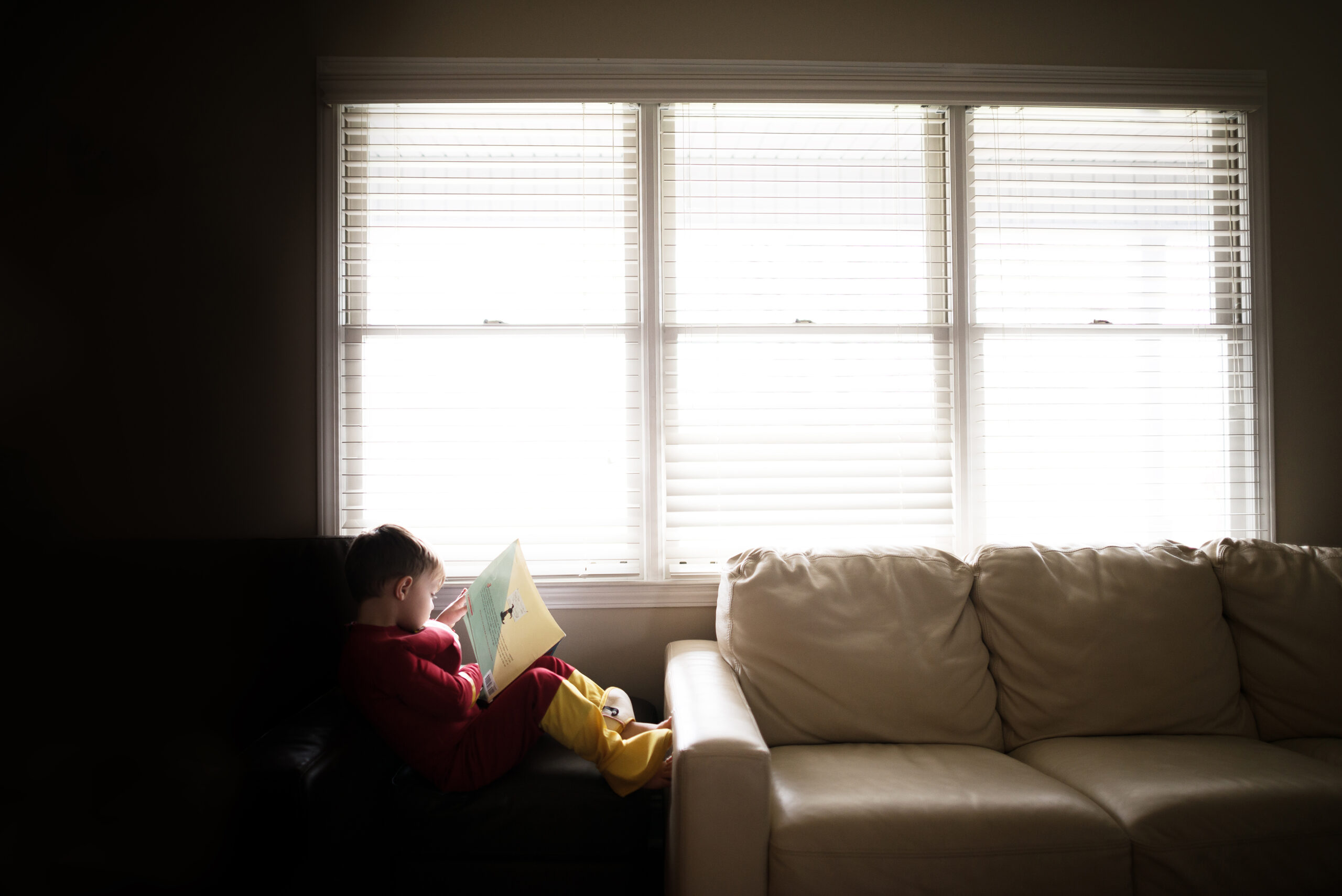
Narration is one of the simplest and most meaningful practices in our homeschool—and often one of the most unfamiliar at first.
Instead of asking our children to fill in blanks or repeat back memorized answers, we invite them to tell what they’ve heard, seen, and understood in their own words. It’s a quiet shift, but it changes the way learning settles in. Rather than rushing through information, they begin to hold it, turn it over, and make it their own.
At its heart, narration is simply this: after reading or listening, a child tells back what they remember.
Sometimes it’s a story retold with surprising detail. Sometimes it’s a single sentence about what stood out. Sometimes it’s hesitant at first, with pauses and searching thoughts. And all of it is part of the process.
What’s happening in those moments is deeper than it may appear.
When a child narrates, their brain is actively working to retrieve what was just learned. This act of recall—often called retrieval practice in cognitive science—strengthens memory pathways. Instead of information slipping away after it’s heard, the brain is signaling, this matters, keep this. The more often this happens, the stronger and more lasting those connections become.
Narration also asks the brain to organize information, not just store it. As a child tells something back, they are deciding what was important, what came first, and how ideas connect. This builds understanding in a way that passive listening or worksheet completion often cannot. They are not simply recognizing information—they are reconstructing it.
There is also something quietly powerful happening with language. As children narrate, they are practicing how to form thoughts, choose words, and communicate ideas. Over time, this strengthens both spoken and written expression. You may begin to notice that their sentences grow more complete, their explanations more thoughtful, and their confidence more steady.
And perhaps just as importantly, narration encourages attention.
When a child knows they will be invited to tell something back, they begin to listen differently. Not out of pressure, but with a sense of purpose. Their mind stays present, gathering meaning rather than skimming for answers.
In our home, narration often looks very simple. After a reading, I might pause and ask, “Can you tell me what you remember?” And then I listen. I don’t interrupt or correct. I let them work through their thoughts, even if it takes a moment. Sometimes the narration is short, sometimes it unfolds into something longer, and sometimes it leads to a conversation we didn’t expect.
If a child is just beginning, their words may be few. That’s okay. Narration grows over time. What begins as a sentence becomes a fuller retelling, and eventually something richer—connections, opinions, even questions.
As children grow older, this same practice gently shifts into writing. What was once spoken becomes written narration, allowing them to express their understanding on paper. And because the foundation has already been laid through speaking, the transition feels natural rather than forced.
Through narration, children are not simply repeating what they have heard—they are engaging with it personally. They begin to take ownership of their learning, shaping ideas in their own words rather than relying on memorized answers or predetermined responses.
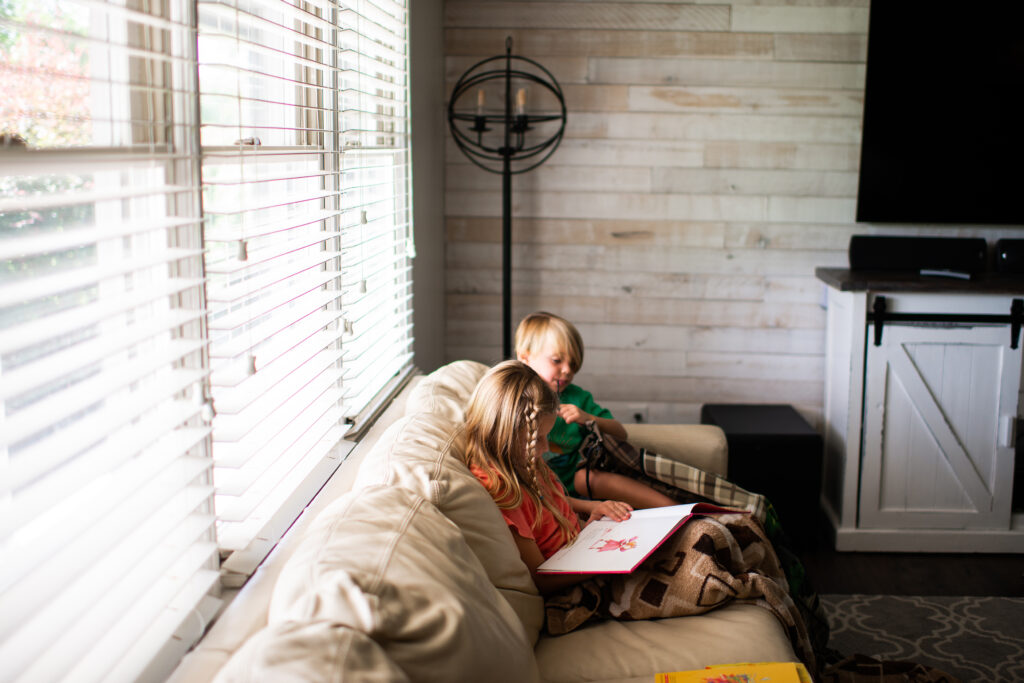
Over time, this practice quietly strengthens important habits. A child who knows they will narrate begins to listen and read with greater care. Attention deepens. Thoughts are held a little longer. Meaning is gathered, not rushed.
And as they speak, reflect, and organize what they have learned, they are also developing the habits of reasoning—learning to make sense of ideas, to connect them, and to express them clearly.
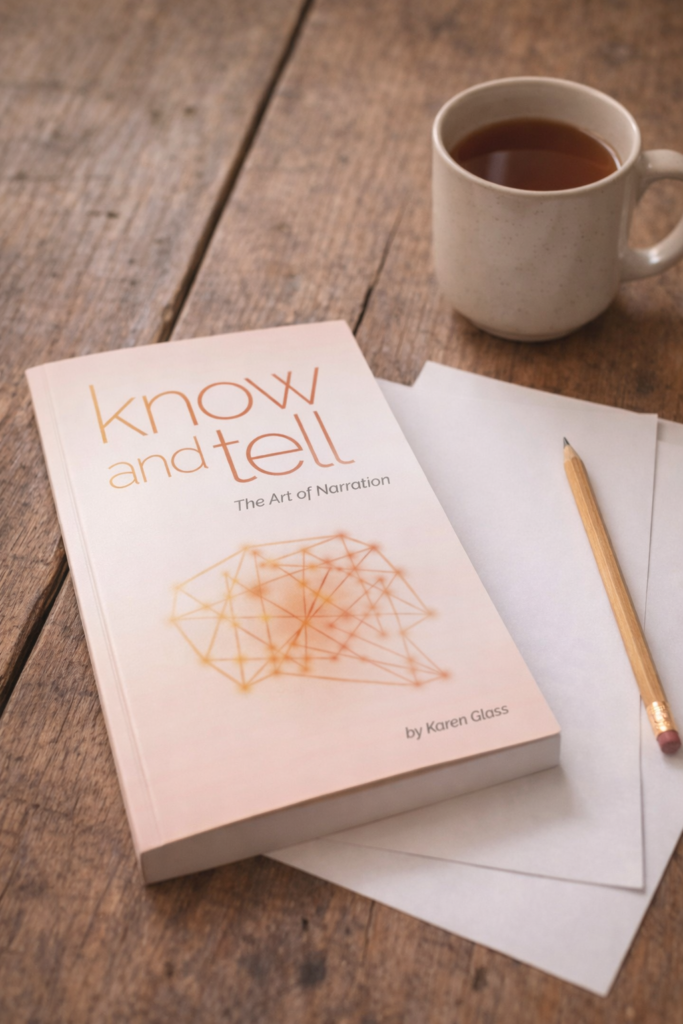
If you’d like to learn more about this practice, the book Know and Tell offers a thoughtful and encouraging look at narration and how it can grow over time within your homeschool.
The beauty of narration is that it does not require elaborate preparation or complicated methods. It simply asks us to slow down and give children the space to think.
And in that space, something lasting begins to form.
If narration feels unfamiliar, begin gently. After a lesson, ask one simple question and see what your child offers. You may be surprised at what they hold onto—and how, over time, this small practice begins to shape not only what they learn, but how they learn.
Blog
This section provides an overview of the blog, showcasing a variety of articles, insights, and resources to inform and inspire readers.
-
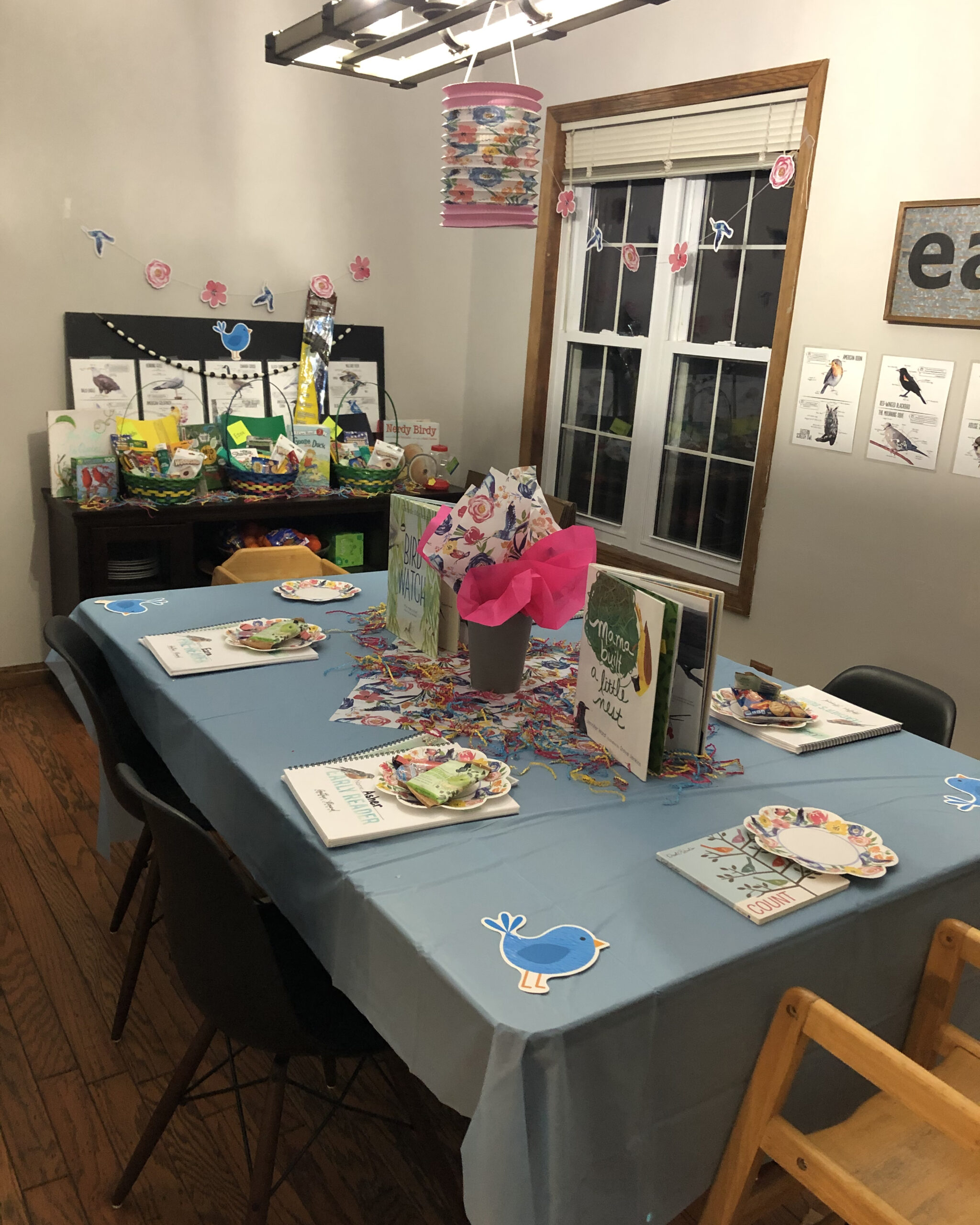
Fun Ways to Kick Off Your Homeschool Year
There is something special about the beginning of a new homeschool year. Fresh notebooks. New pencils. Exciting plans. A brand-new stack of books waiting to be explored. It can be tempting to…
-
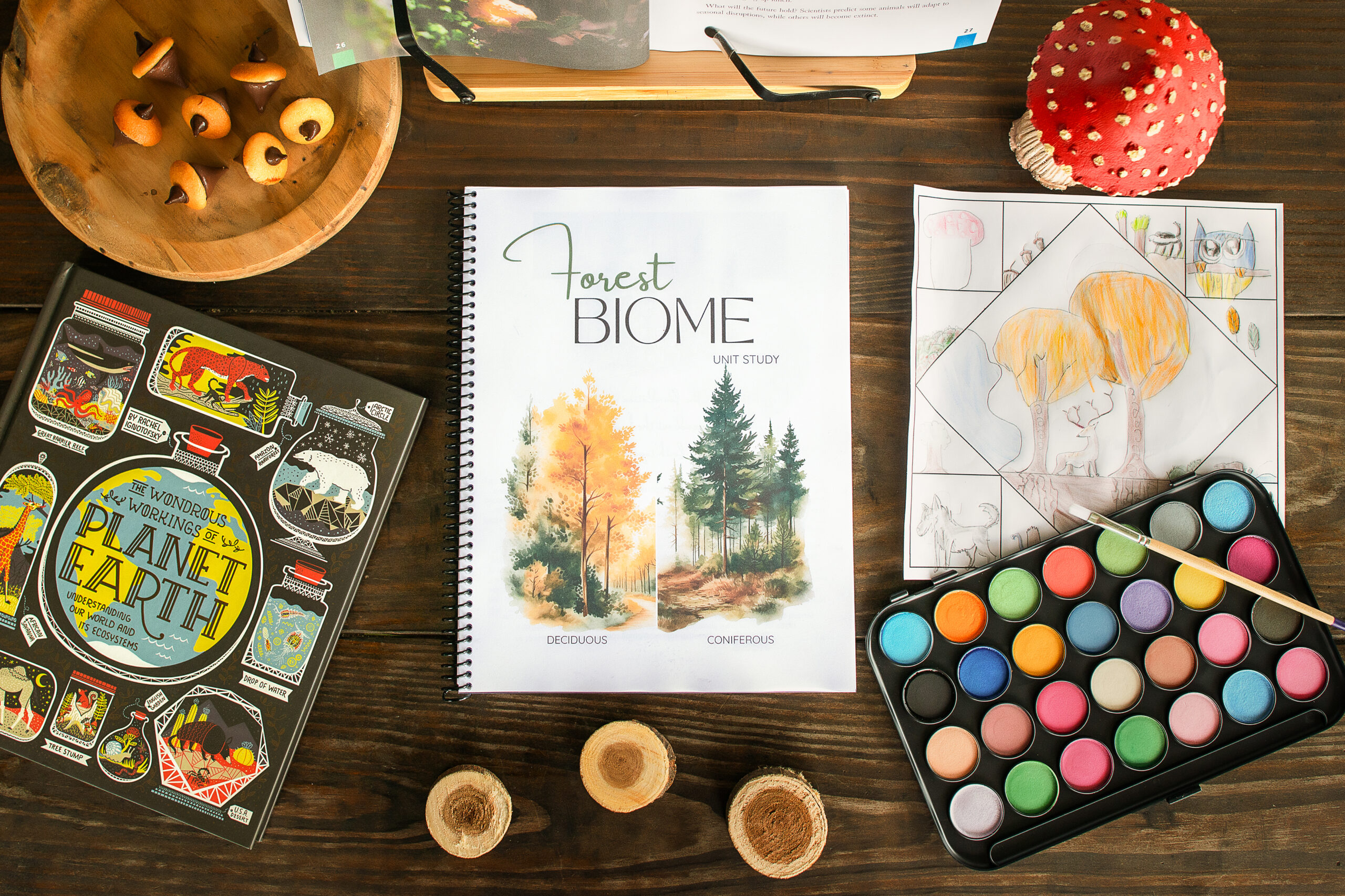
Exploring the Forest Biome
A Family-Style Science Study Forests are some of the most diverse and fascinating ecosystems on Earth. From towering conifer forests to colorful deciduous woodlands, these habitats are filled with incredible plants, animals,…
-
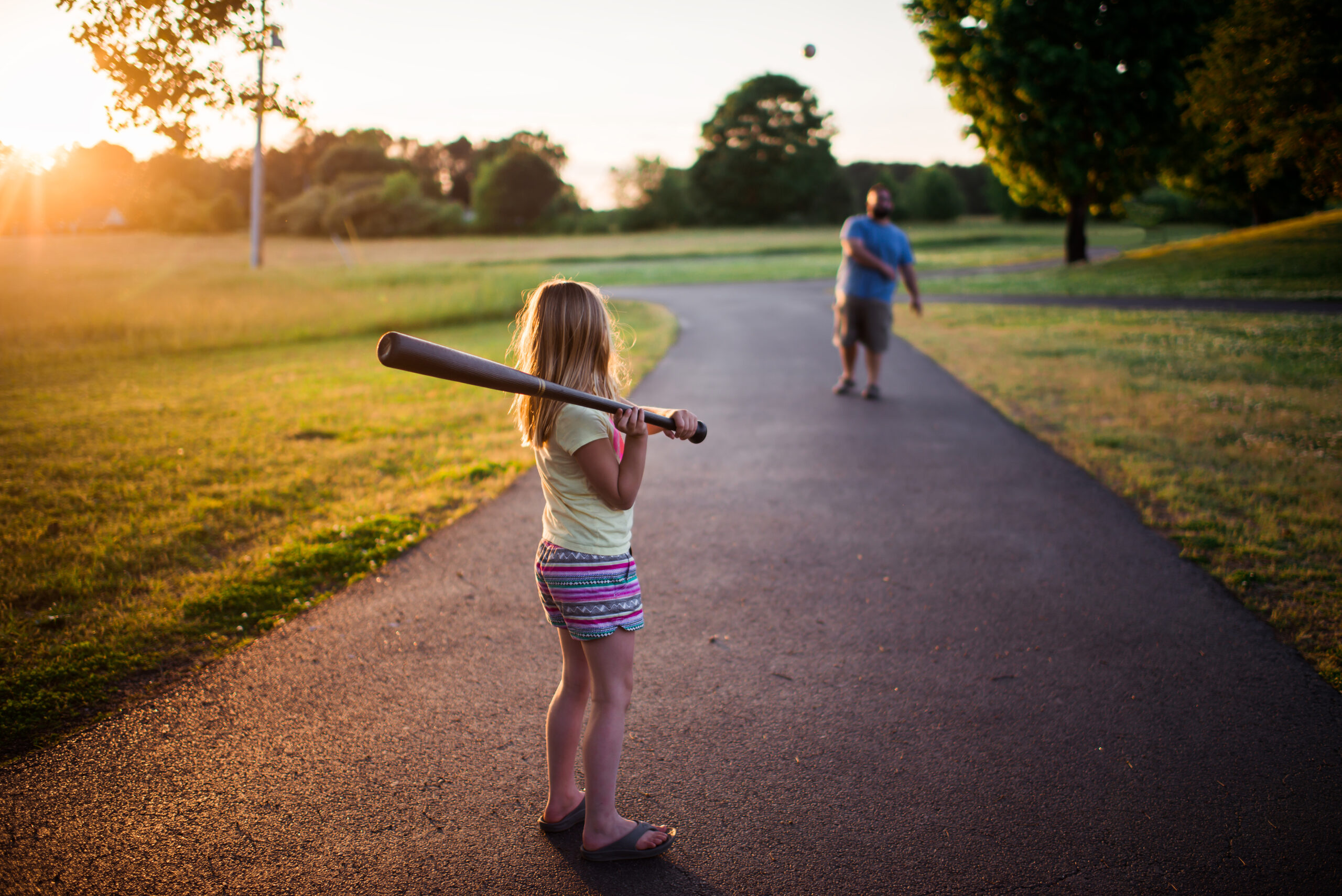
A Summer of Connection
Making Memories that Last As summer approaches, it is easy to feel pressure to make it magical.Social media is filled with elaborate vacations, expensive attractions, and endless lists of activities. Before long,…

Leave a Reply