There is something special that happens when learning slows down.
When it isn’t rushed or crowded with too many expectations…
when there is space to read, to wonder, to notice, and to connect.
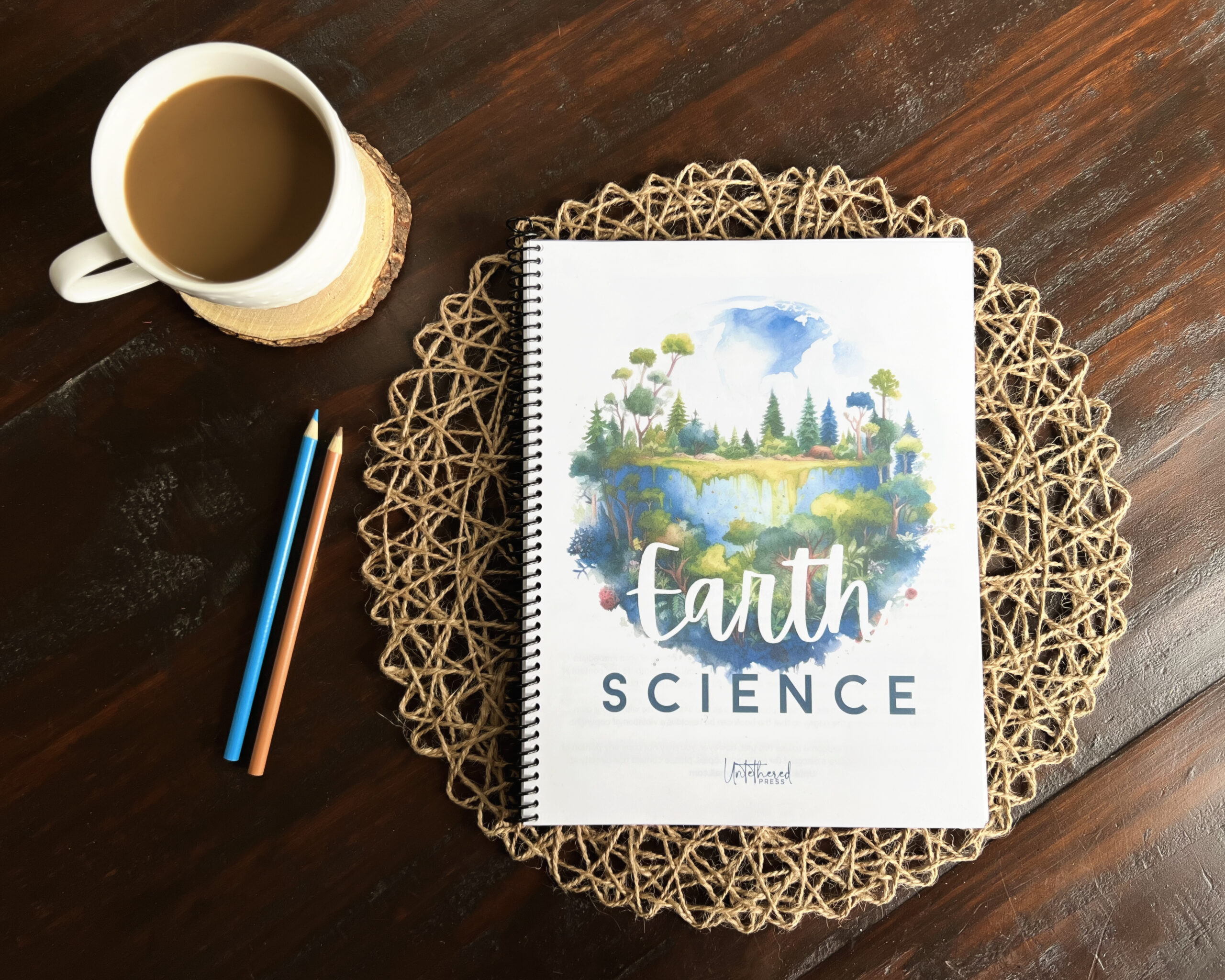
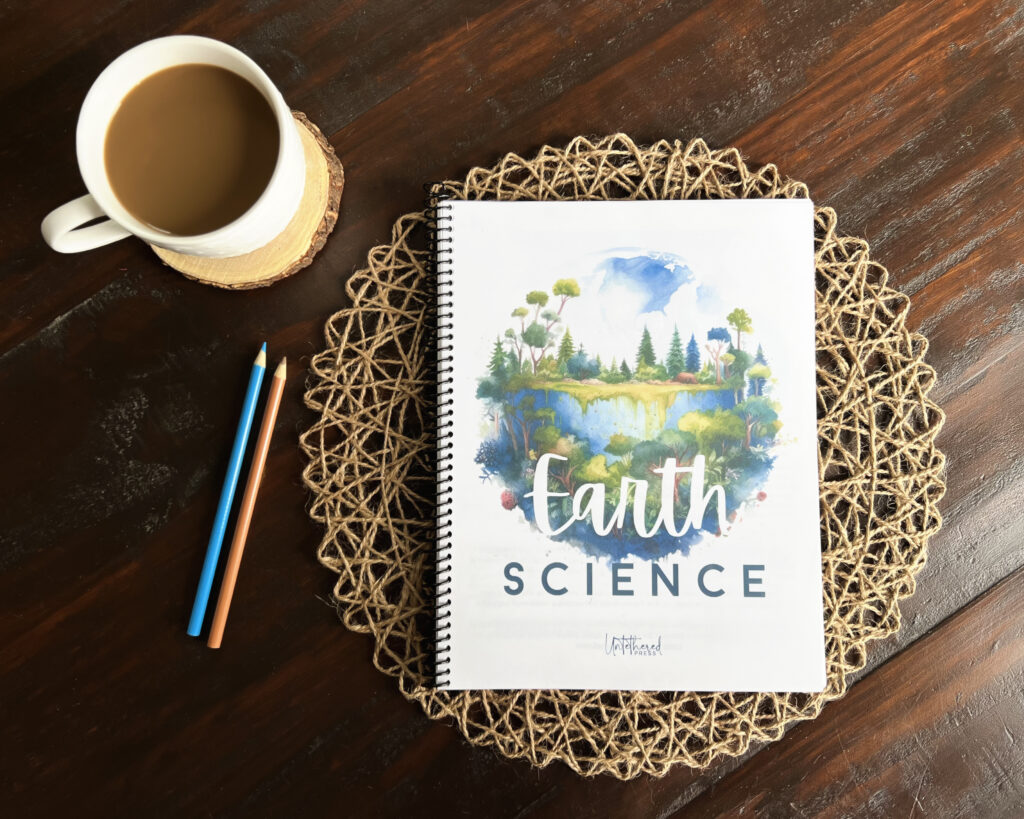
That is the heart behind our Earth Science Unit.
We didn’t set out to create something complicated or overwhelming.
Instead, we wanted to build a study that feels rich and meaningful—while still being simple enough to use in the rhythm of real family life.
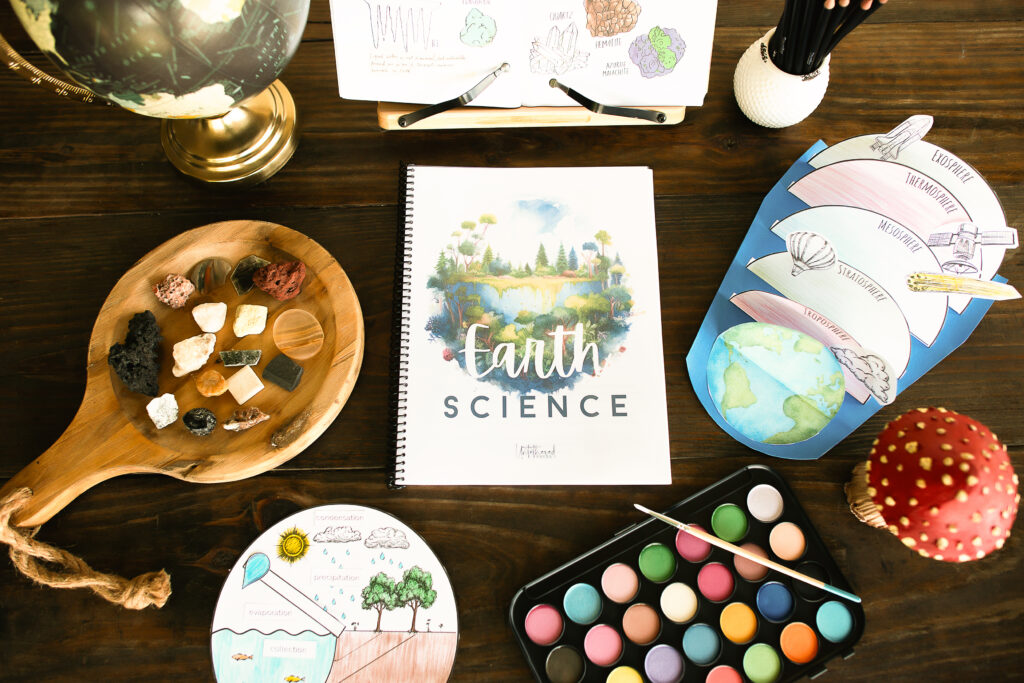
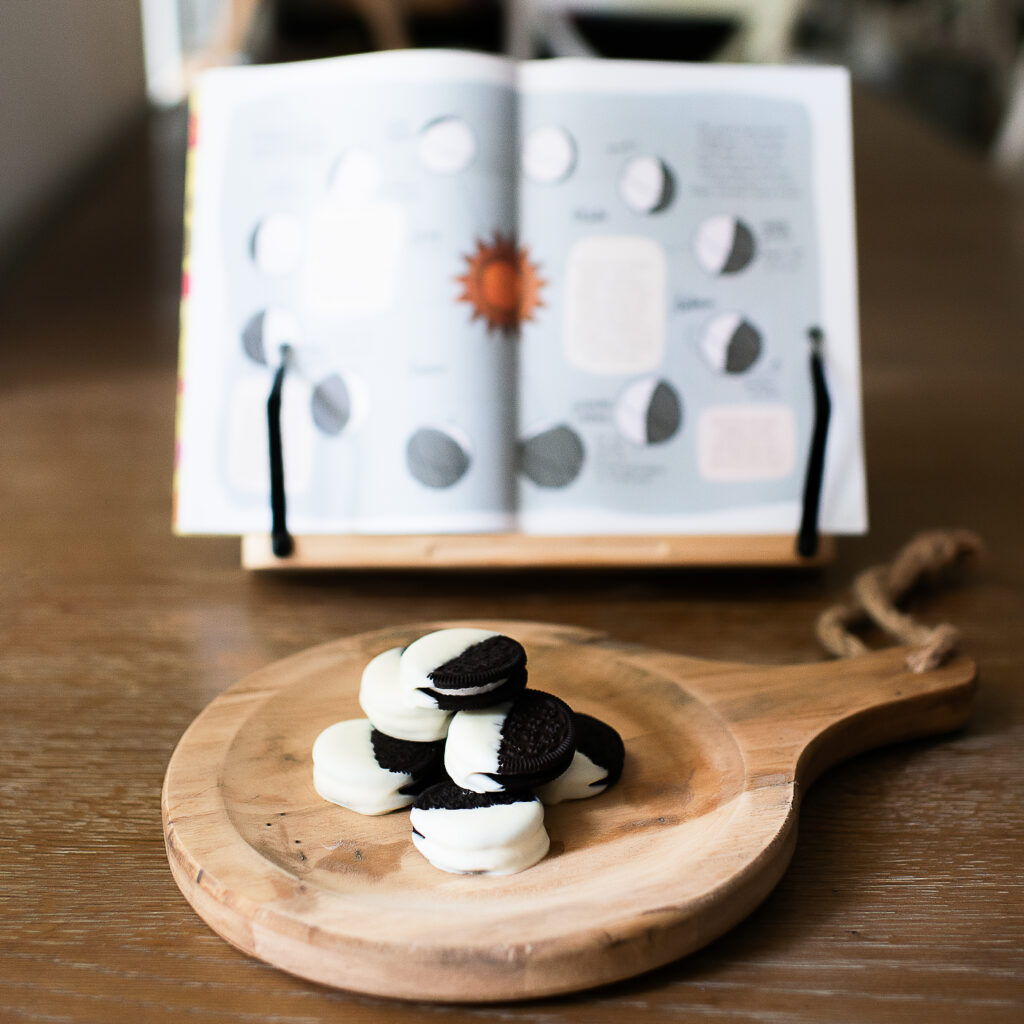
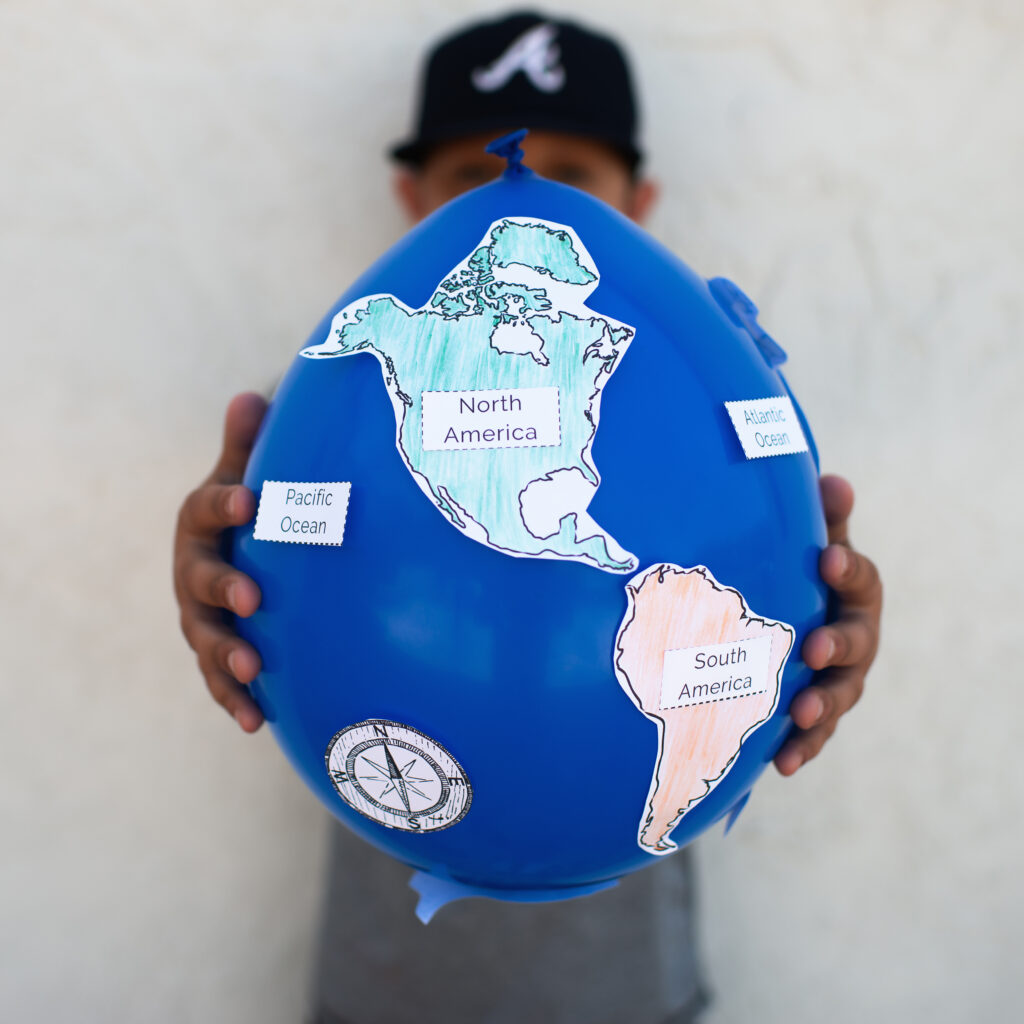
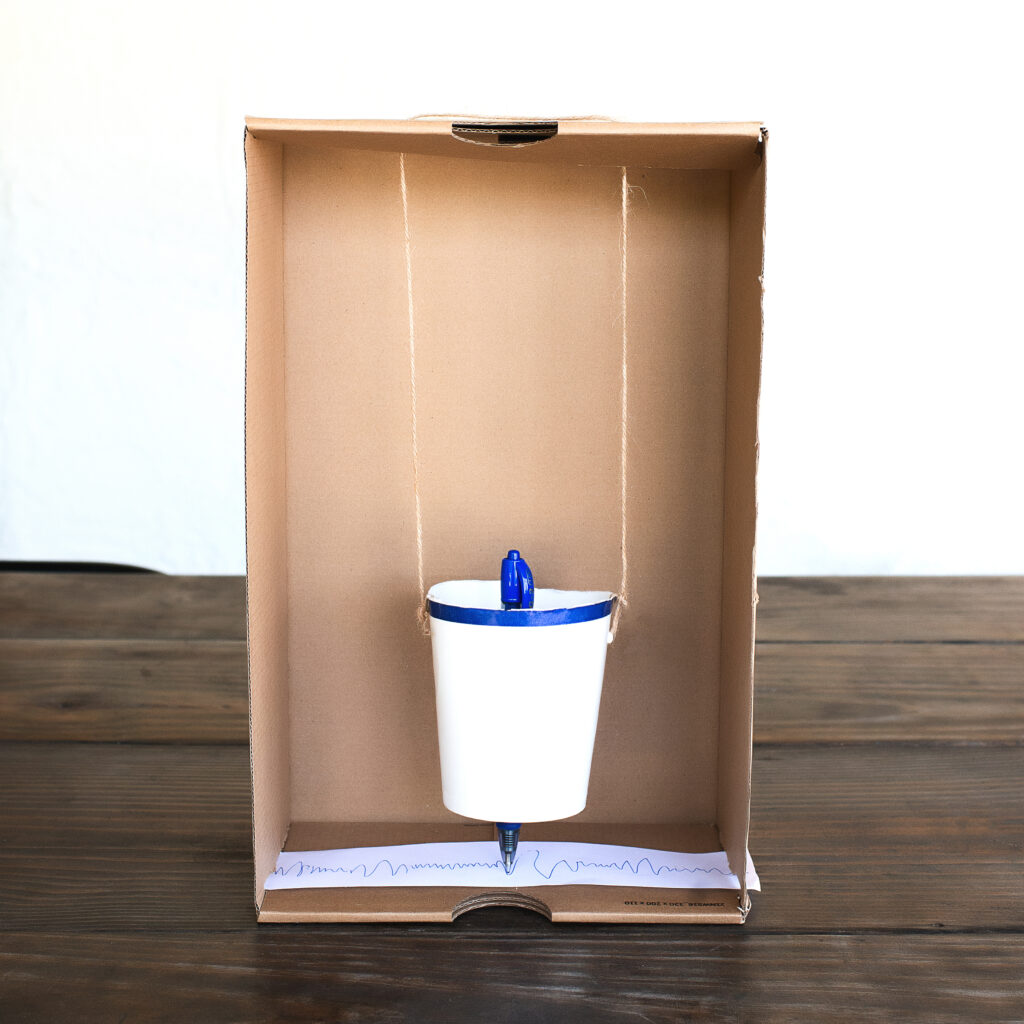
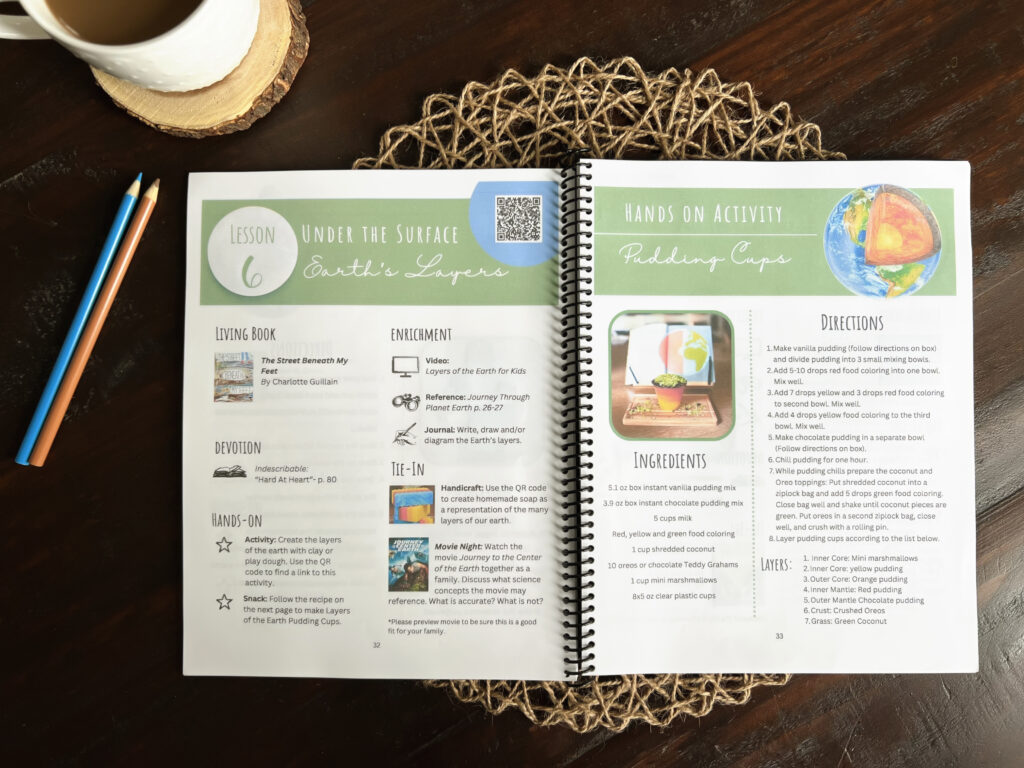
Inside this unit, you’ll find 26 thoughtfully planned lessons that guide you through earth science in a way that feels alive. Each lesson gently weaves together living books, videos, hands-on experiments (and even a few simple recipes), along with optional enrichment ideas for families who want to go a little deeper.
We’ve included interactive journal pages to help guide understanding, along with open-ended notebooking pages that give your children a blank canvas to capture what stood out to them. Some days that may look like written narrations… other days, a sketch, a diagram, or a simple reflection. It’s not about filling in pages—it’s about giving space for ideas to take root.
You’ll also find a thoughtfully curated book list, along with a few recommended spine books to anchor your study. While we do suggest purchasing those core books, many of the living books can easily be borrowed from your local library—making this a flexible option for many families.
A Family-Style Approach to Learning
One of the most important parts of this unit—and all that we create—is that it is designed to be done together.
We believe deeply in family-style learning. Not separating children into entirely different tracks, but gathering them around the same ideas… the same stories… the same conversations.
There is something powerful about shared learning.
Older children have the opportunity to go deeper, to think more critically, and to express their understanding in more detailed ways. Younger children listen, absorb, and begin forming connections in their own time. And in the middle of it all, meaningful conversations begin to take shape—ones that wouldn’t happen if everyone were learning separately.
But just as important as that…
We want mothers to feel less overwhelmed.
Not pulled in a dozen directions trying to manage separate lessons and expectations—but invited into a way of learning that brings the family together. A way that feels peaceful, connected, and sustainable.
That is why we design our curriculum the way we do.
Flexible, Open-and-Go Learning
This unit is meant to work with your family—not against it.
Each lesson is open-and-go, giving you a clear starting point without requiring hours of preparation. At the same time, it is intentionally flexible.
You can move at your own pace.
You can linger where interest grows.
You can simplify when needed.
There is no rigid checklist you must follow in order to “complete” it the right way.
Instead, you are invited to use it in the way that best fits your family—your schedule, your children, your season.
Some days may be full and rich, with hands-on activities and long conversations.
Other days may be quiet and simple, with just a reading and a moment of reflection.
Both are enough.
Learning That Stays
Our hope for this Earth Science Unit isn’t just that children would learn facts about the world around them.
It’s that they would begin to notice more.
To ask questions.
To see connections.
To develop a deeper appreciation for the beauty and order of creation.
Because when learning is meaningful… it stays.
And when it is shared together as a family, it becomes something even more lasting.
If you’ve been looking for a way to study earth science that feels both rich and simple—structured, yet flexible—this may be a beautiful place to begin.
Blog
This section provides an overview of the blog, showcasing a variety of articles, insights, and resources to inform and inspire readers.
-
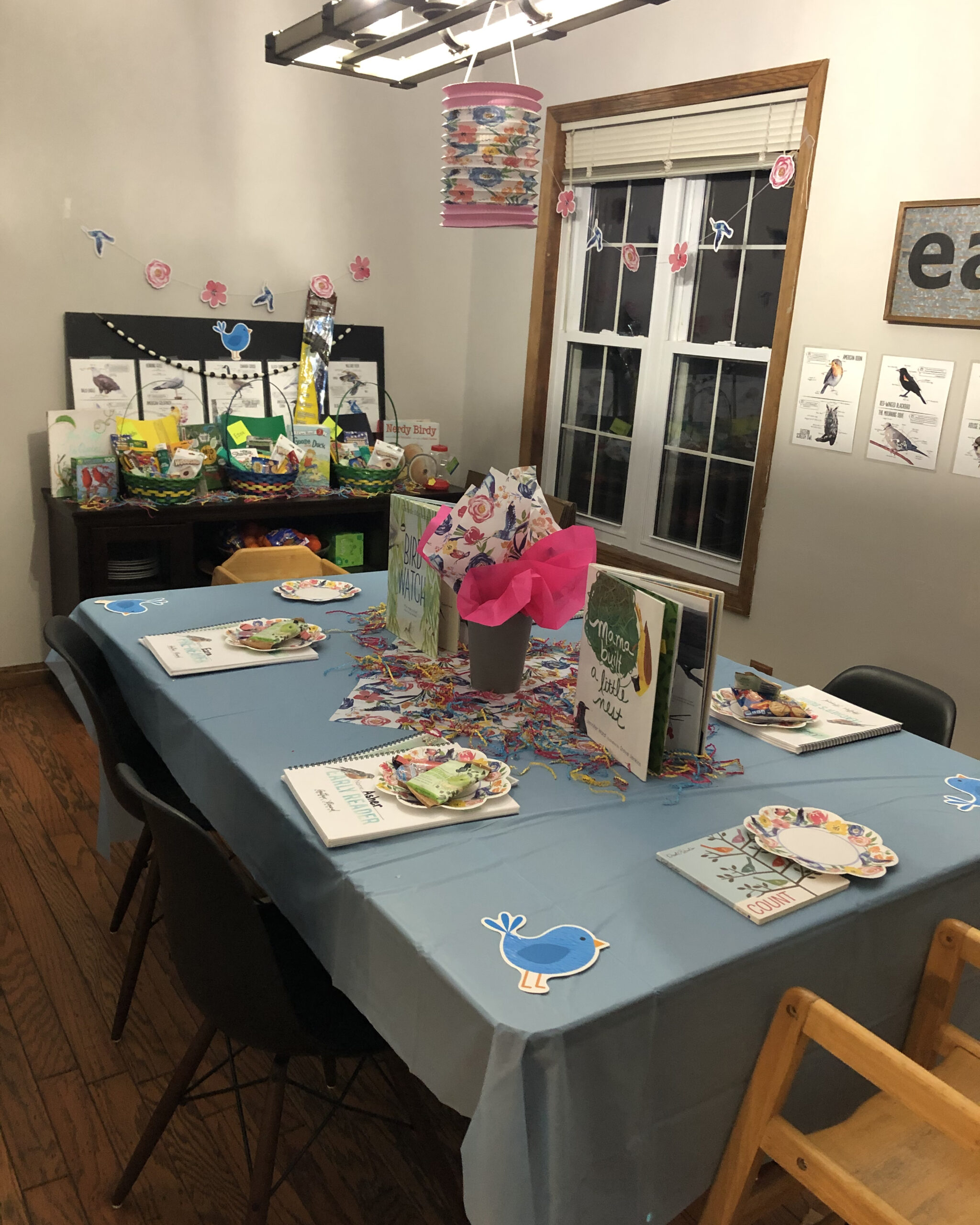
Fun Ways to Kick Off Your Homeschool Year
There is something special about the beginning of a new homeschool year. Fresh notebooks. New pencils. Exciting plans. A brand-new stack of books waiting to be explored. It can be tempting to…
-
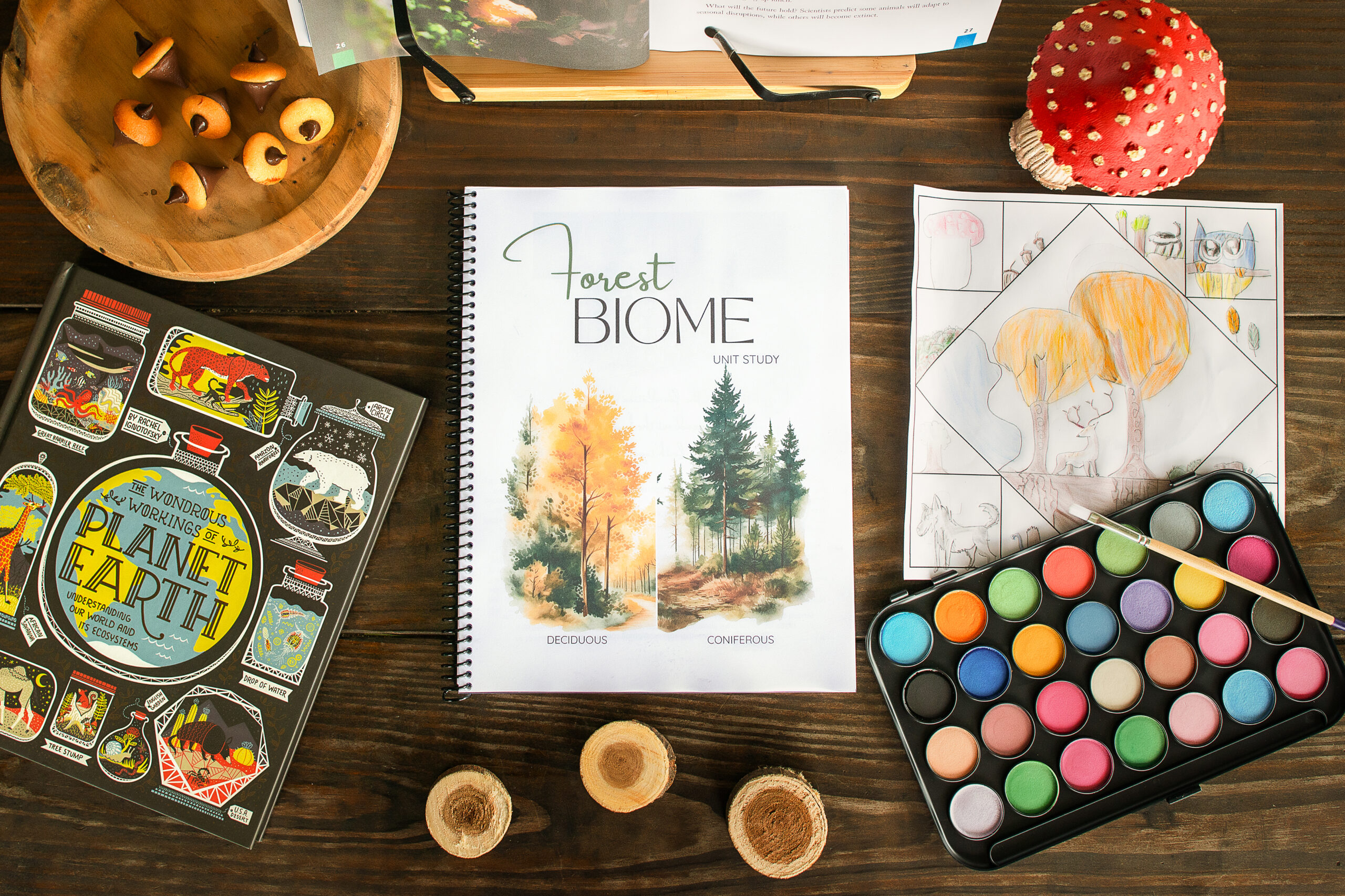
Exploring the Forest Biome
A Family-Style Science Study Forests are some of the most diverse and fascinating ecosystems on Earth. From towering conifer forests to colorful deciduous woodlands, these habitats are filled with incredible plants, animals,…
-

A Summer of Connection
Making Memories that Last As summer approaches, it is easy to feel pressure to make it magical.Social media is filled with elaborate vacations, expensive attractions, and endless lists of activities. Before long,…

Leave a Reply